Motor Vehicle Accidents

Every time a person gets behind the wheel, they take on a significant responsibility. One of the most important aspects of responsible driving is obeying speed limits.

Speeding might seem thrilling, but it comes with serious dangers that can have lasting consequences.

Loss of control

When a motorist drives at a high rate of speed, they are more likely to lose control of their vehicle. High speed reduces reaction time, which makes it harder to respond to sudden obstacles or changes in traffic. Imagine trying to stop a car abruptly while going 20 mph over the limit – it is much harder to do without risking a collision.

Increased stopping distance

Speeding drastically increases the distance a vehicle needs to come to a complete stop. The faster a person goes, the longer it takes for the brakes to slow down a vehicle. Should a pedestrian suddenly cross the road, or should a car suddenly stop, the driver might not have enough time to avoid a collision.

Greater impact and injury

Along with its impact on vehicle operation, speeding also increases the risk of serious injuries. According to the National Highway Traffic Safety Administration, 29% of all driving fatalities occurring in 2021 involved speeding. When a car collides with an object or another vehicle, the speed of the vehicle determines the force of impact. This greatly increases the risk of injury to all motorists.

Reduced visibility

Speeding can also reduce a person’s ability to see the road and react to hazards. High rates of speed cause the field of vision to narrow, which then makes it difficult to see pedestrians, cyclists or other cars coming from side streets. A lack of visibility significantly raises the risk of accidents, especially in complex traffic situations.

Speed limits ensure safe driving

Road conditions often determine speed limits, meaning the posted speed limit is the maximum for safe driving. That is why all drivers must remember that speeding is not just a violation of the law – it is a serious threat to your safety and the safety of others on the road. When everyone obeys speed limits, the road becomes much safer for all involved.
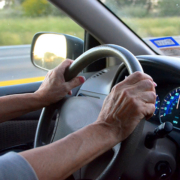
As our society ages, the topic of elderly drivers and road safety becomes more relevant than ever.

While driving offers freedom, it also raises concerns about safety for older drivers and other motorists.

Dealing with physical changes

As explained by the National Institute on Aging, older drivers often experience physical issues that can impact their ability. Eyesight can become worse, while coordination and ability to react quickly might decrease. In this case, regular eye check-ups are important for older drivers to address deficiencies. Additionally, elderly drivers must operate vehicles slowly and carefully to ensure the proper response to unexpected issues.

Keeping the mind sharp

Diminished cognition is a common aspect of aging. Memory problems, issues with focus and slower decision-making can all increase driving risk. Accordingly, the family of elderly drivers should regularly check how well their mind is working to make sure they are still fit to drive. In the event a person cannot handle the mental tasks associated with driving, their loved ones should find alternate transportation.

Health should come first

Certain medical conditions are more common among older adults. Along with the effects on a person’s health, medical issues can also put them at risk when driving. For example, a sudden heart attack can lead to a dangerous crash should it happen behind the wheel. That is why elderly drivers must talk to their doctors to see if their health conditions and medicines might make driving unsafe.

Adapting for safety

Fortunately, there are ways for elderly drivers to stay safe behind the wheel. Taking refresher courses can help them keep up with new traffic rules and technologies. Using bigger mirrors or special steering wheels also offers benefits.

By checking skills often, dealing with physical and mental changes and being open to new ways of driving, older drivers can maintain safety, which is the key to making sure everyone on the road is secure.

Did you know that every day six teenagers get killed in preventable car accidents? In 2021, accidents involving teen drivers actually killed 2,608 people.

Sadly, teens actually have a three-times greater risk of accidents than drivers 20 years of age or older. Therefore, you and your teens should understand their driving hazards.

Inexperienced driving

Each state has different requirements for teens who seek a license. In Florida, teens between 15 and 18 years of age have to take a Traffic Law and Substance Abuse Education course before they can receive a learner’s permit. However, these courses do not prepare teens for the requirements of the road. In fact, the majority of teen accidents are the result of inexperience. Therefore, parents should spend additional time with their teens behind the wheel, so they get adequate experience before they are out on their own.

Distracted driving

Distracted driving affects every driver, but teens are even more susceptible. Did you know that the risk of an accident increases significantly when teens have passengers in their vehicles? In fact, just one passenger increases their risk. If the passengers are loud or rowdy, this hazard by two to six times the normal rate.

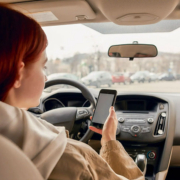
They also experience greater risks when they have devices out, and did you know that up to 50% of teens admit to driving while texting? Even loud radios and GPS can cause distractions if they are not used properly.

Impaired driving

Your teens also have a greater risk of accidents when they drive impaired. Impairments can include drugs or alcohol, but even drowsy driving is dangerous and has a similar risk to actually driving drunk.

For the best results, teach your children about their driving risks and set ground rules to keep them safe.

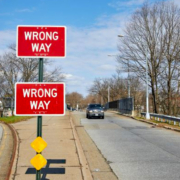
People who erroneously drive down the road going in the opposite direction than they should pose a danger to other people on the road. Wrong-way drivers can be difficult to spot, which increases the chances of the erroneous driver causing a head-on collision with another vehicle.

Here are a few things to know about wrong-way driving and accidents in Florida.

Factors that contribute to wrong-way driving

Several factors contribute to wrong-way driving, with intoxicated driving being one of the most obvious. People under the influence of drugs or alcohol may be less aware of their surroundings, which can lead to driving mistakes such as making a wrong turn down a one-way street or taking an exit rather than an entrance ramp. Other factors that contribute to wrong-way driving include:

  • Navigating in an unfamiliar area
  • Driving in a country where people use the opposite side of the road from the driver’s home country
  • Operating a vehicle in an area that lacks sufficient lighting and signage

Being aware of some of the common causes of wrong-way driving can help prevent its occurrence.

Possible consequences of wrong-way driving

The consequences of wrong-way driving can cause severe injuries and fatalities. Being involved in a head-on collision can lead to a traumatic brain injury, whiplash and more. Wrong-way drivers can also fatally strike pedestrians and bicyclists crossing the road who are not expecting a car to come from a particular direction.

Understanding the causes and consequences of wrong-way driving can help make everyone sharing the road safer.

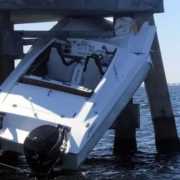
With warm Florida weather, beautiful ocean breezes and endless horizons on the water, it is perfect for taking the boat out. Unfortunately, not all boaters are responsible boaters. Although you might not think an accident can happen with all that open water, it can and does.

According to the Florida Fish and Wildlife Commission, Florida leads most other states in boating accidents and fatalities. There are many causes of boating accidents, but they are usually one of these three.

Boating while intoxicated

Many people use the open water as a chance to relax and unwind. For some people, this means drinking or using other substances. Like any other vehicle, it is dangerous to operate a boat when you are when intoxicated. Intoxicated boating is a major problem.

This is particularly true of boating on saltwater. Even one drink can impair your ability to react or function. Not only are boats slower to respond to course correction, but the saltwater also dehydrates you and worsens any intoxication.

Speeding

Again it may seem hard to run into anything within a large expanse of water, but it does happen. Except for no-wake zones, there are no technical speed limits for boating. This does not mean that you cannot go too fast. When you combine speed with no forward watch, the situation can result in an accident or serious injury.

Distraction while boating

Just like distracted driving, a distraction while boating is dangerous. Distractions can come in the form of passengers, depth finders, mapping and even cell phones. When you combine this with other issues, the consequences can be deadly.

Practicing boating safety is not particularly difficult. If you are unsure, take a boating course to avoid these situations.

As school starts, you need to be mindful of the school buses on the road. There are some very specific laws regarding the transportation children take to and from school.

There are some important safety tips for traveling near school zones and around school buses.

Stopping when a school bus stops

Some of the most important rules are the laws about stopping around school buses. The rules for this are simple.

  • If the road has two lanes, both directions must stop.
  • If the road has multiple lanes with turn lanes between them, both directions must stop.
  • If the road has a median in the center, those traveling in the same direction must stop. Those traveling in the opposite direction can proceed cautiously.

When there is only one lane, allow buses to move around you if you are going in the opposite direction. Come to a stop whenever the bus stops.

Driving near school buses

The most important thing when driving near school buses is paying attention. The rules are simple:

  • Follow the speed limits posted for school zones
  • Never pass a bus that has stop signs and the arm extended.
  • Even when the bus begins to move, watch for children on the road
  • Always watch for children walking or biking to school if you live near one.
  • Pay attention to flashing lights and signs

These are very simple steps to avoid deadly accidents and costly tickets.

The fines for breaking the laws around school buses are steadily increasing, but this increase is nothing compared to the possible loss of a child’s life.

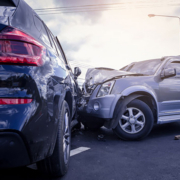
Rear-end accidents commonly occur when one driver is inattentive or traveling too fast. Such collisions are not the deadliest, but these accidents lead to more injuries and property damage than other types of wrecks.

A person who experiences a rear-end collision should remember some vital details to decide what to do next.

Who is liable?

The driver who rear-ended the front driver often bears responsibility for the collision, but that is not a foregone conclusion. For over a decade, Florida has allowed drivers to offer evidence that the front driver was negligent and contributed to the accident. However, the driver who rear-ended the other must keep in mind that the law mandates drivers to follow at a safe distance, which will affect an officer’s decision on who is at fault.

What injuries are common?

A rear-end collision can cause bodily harm, even at low speeds. Whiplash is a real injury that occurs when the impact jolts an occupant’s body forward while the head is in a fixed position. Neck pain may linger afterward.

The impact could also cause a driver to bump forcibly against the steering wheel, injuring the head or chest. The force of the collision could also cause spine compression or disk herniation. Medical treatment after a rear-end collision can determine the severity of the harm.

How does no-fault insurance affect a claim?

Florida requires drivers to obtain compensation first through their own insurance company after an accident. If the payment does not cover the total damages, an injured party can pursue damages from a negligent driver for the excess.

A rear-end crash that might seem minor could have long-term consequences. After an accident, a person should treat the event like any other car crash by reporting the incident and collecting the other driver’s information.

delivery truck in city

Trucks, vans and other large vehicles are common sights on the road as parts of commercial fleets for huge delivery companies. Many people rely on delivery drivers to bring packages right to their doorsteps, but it is worth considering the catastrophic damage that large delivery trucks can cause when involved in an accident.

The National Safety Council reports that over 67% of injuries suffered in large truck accidents are by occupants of a vehicle other than the large truck for the year 2020. If you find yourself in such a situation, it is important to know who exactly bears liability so you can pursue the appropriate compensation.

When is the delivery driver at fault?

If you experience an accident with a commercial truck, you might be quick to point the finger at the delivery driver as the at-fault party. Negligent behavior and distracted driving as a result of using onboard software can indicate fault on the delivery driver’s part. Commercial vehicle operators are also responsible for managing their own exhaustion, which can be a contributing factor to accidents when working excessive hours.

When is the delivery company liable for your damages?

There are also circumstances in which the company that employs the delivery driver is at fault for the accident. Faulty maintenance, poor cargo loading practices and lenient company policies are all examples of negligence for which you can hold the company responsible.

Knowing which parties are liable for the circumstances surrounding your motor vehicle accident will empower you to claim the full amount of compensation you deserve.

A man sits on a sofa in a cast with a laptop

Florida suffers from hundreds of drunk driving fatalities every year. According to ABC Action News, driving while impaired caused the deaths of 799 Floridians in 2021.

The consequences of drunk driving are severe for drivers and their victims. Dealing with the aftermath takes years; unfortunately, lives might never be the same.

Penalties for injury and manslaughter

Florida Statutes mandate that serious bodily injury caused by a drunk driver is a third-degree felony. Any deaths caused by the driver automatically becomes a second-degree felony. In both cases, the impaired driver faces significant jail time. Families affected by intoxicated drivers might wish to see justice done, but they still have the issue of financial restitution to deal with.

Minimum insurance requirements

The minimum insurance you must carry in Florida is $10,000 for Personal Injury Protection and $10,000 for Property Damage Liability. Florida auto insurance is no-fault, meaning you must use your insurance provider to pay for any damages. However, impaired driving accidents are often catastrophic. The minimum insurance coverage likely will not be enough. You must deal with their insurance company if you want to pursue a claim against the at-fault driver.

Possible defense of the at-fault driver

Be wary of quick settlement offers that do not cover your pain and suffering expenses. The driver might even try to show comparative fault to reduce their responsibility in the crash. Florida still allows you to recover damages if you share some fault in the accident. Usually, drivers found guilty of a DUI cannot pursue damages against you.

There is no good way to get past an accident caused by a drunk driver. However, the legal system offers several ways for you to recover some of the damages and help with the recovery process.

delivery driver

As a delivery driver, you navigate through heavy traffic and congestion. Although your stops are typically short distances apart, the amount of driving you do, where you drive and how often you stop increases your likelihood of a traffic accident.

Like most delivery drivers, distractions make you vulnerable and can cause you to hit vehicles in front of you, backing up and driving through intersections. These are a few tips to help you avoid motor vehicle collisions.

Avoiding rear-end collisions

Inclement weather, impairment, speed or tailgating put you at risk of a collision. Therefore, increase the distance between you and vehicles in front of you. Watch for traffic congestion ahead of you. Avoid distractions, such as your cell phone or checking your GPS or radio station. Finally, when traffic is heavy, avoid stopping and speeding up quickly.

Avoiding collisions when you back up

Park so that you will not have to back up when you leave, if possible. Check the perimeter of your vehicle before you get in to identify any obstructions or dangers. Then, check your mirrors and blind spots before you back up, and move slowly. Continuously look for pedestrians or vehicles as you continue backward.

Avoiding intersection accidents

Watch for other vehicles pulling wide, erratic or U-turns, stopping or taking off fast and driving distracted. Watch traffic and slow your speed dramatically when you approach intersections. Avoid making turns until all the vehicles in front of you are out of the intersection, and turn slowly. Finally, do not change lanes in or near these areas.

As the driver of a larger vehicle, you are responsible for being proactive in preventing collisions. Learn defensive driving and adopt patience, especially in high-traffic areas. Always prioritize safety.